We were lining up a shot recently and I heard myself saying “we should probably tighten up a bit, most people will view this on a phone.” It was a promo for a gaming Expo in Dubai and whilst I was correct, most people will watch it on a phone, it will also be projected, be seen on laptops, tablets and Tv’s. It reminded me that the visual choices we make for a film can become skewed towards the most common way it will be viewed, as opposed to the best representation of the subject. When I suggested tightening up the shot, it wasn’t because the shot size was incorrect from a storytelling point of view, it was because the shot wasn’t impactful enough when viewed on a phone screen. But maybe this isn’t a bad thing? Maybe as DoP’s we need to keep the end viewing platform as central to our decision making on frame size. Surely that is serving the story better? Even if when projected we lose some of the location context that we would have liked to see, we are making choices about framing for what ‘most’ people will see. Great, problem solved, time for a cup of tea, shortest blog so far, bye…..oh wait… what else could we change if we are optimising for a phone? I mean if we are a little out of focus is that ok? No one will see it on a small screen, what about digital noise, unpleasant lens artifacts or reflections, a bit of cabling on the floor maybe? No one will spot those things on the phone but they will be blindingly obvious on the big screen. And yes, I can see the flaw in my argument, these later things are objectively wrong and should be avoided on all formats but I sort of feel that it could be a slippery slope. What if production say tidying those cables means we go into overtime and most people won’t see them anyway? Is that ok? Are we still serving the story as the story won’t be negatively affected when most people view it, which will be on their phone, and production go away happy as there is no overtime. It’s a balance that I am finding myself being asked to negotiate more and more regularly.
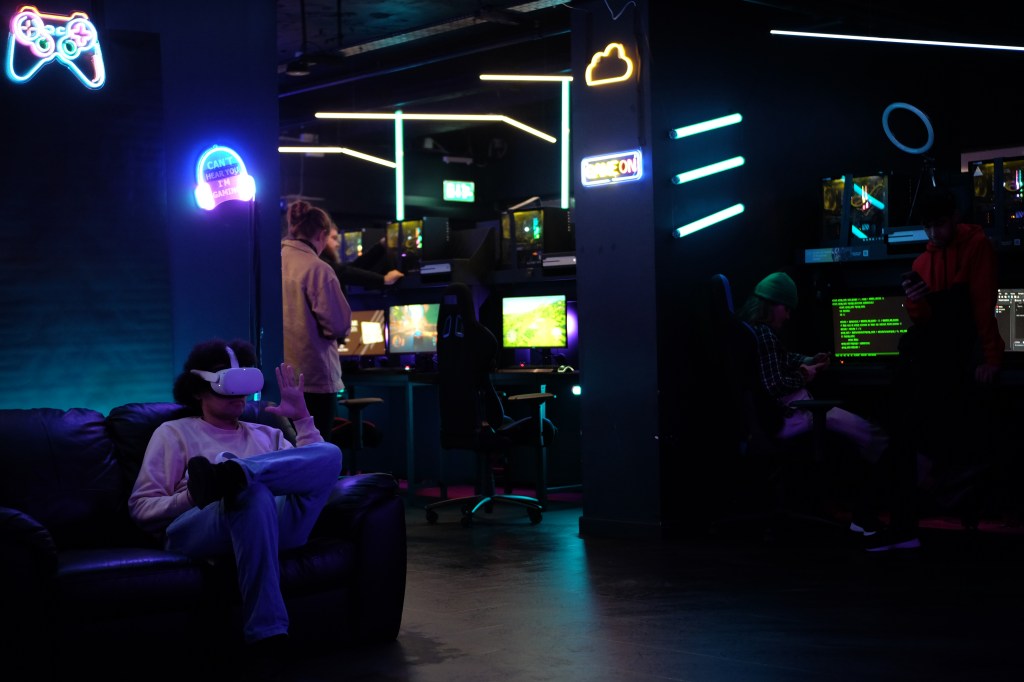
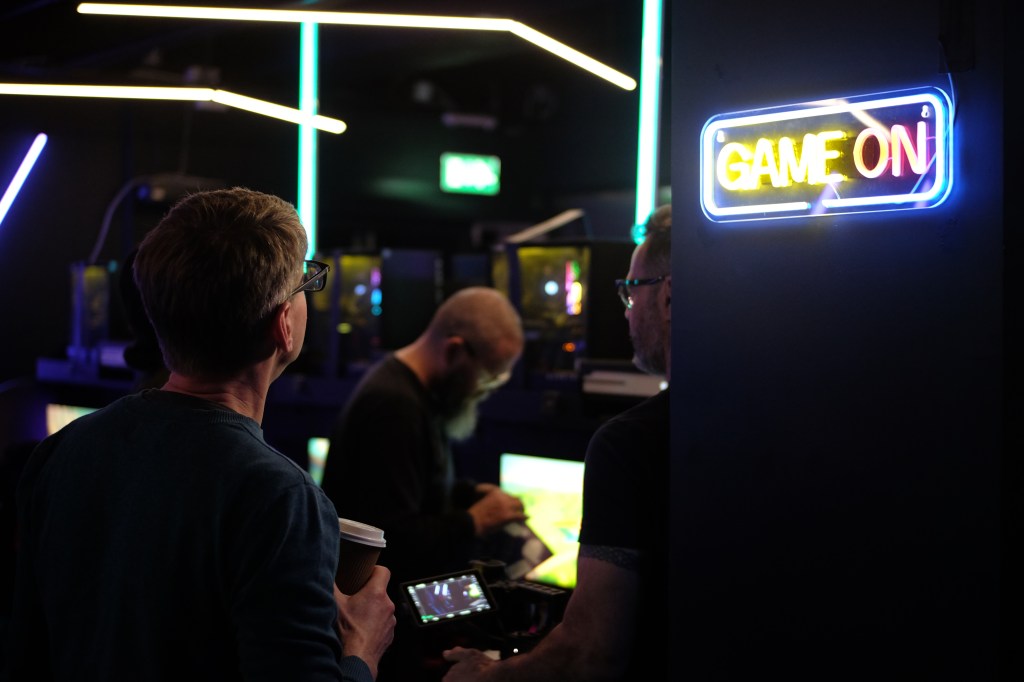
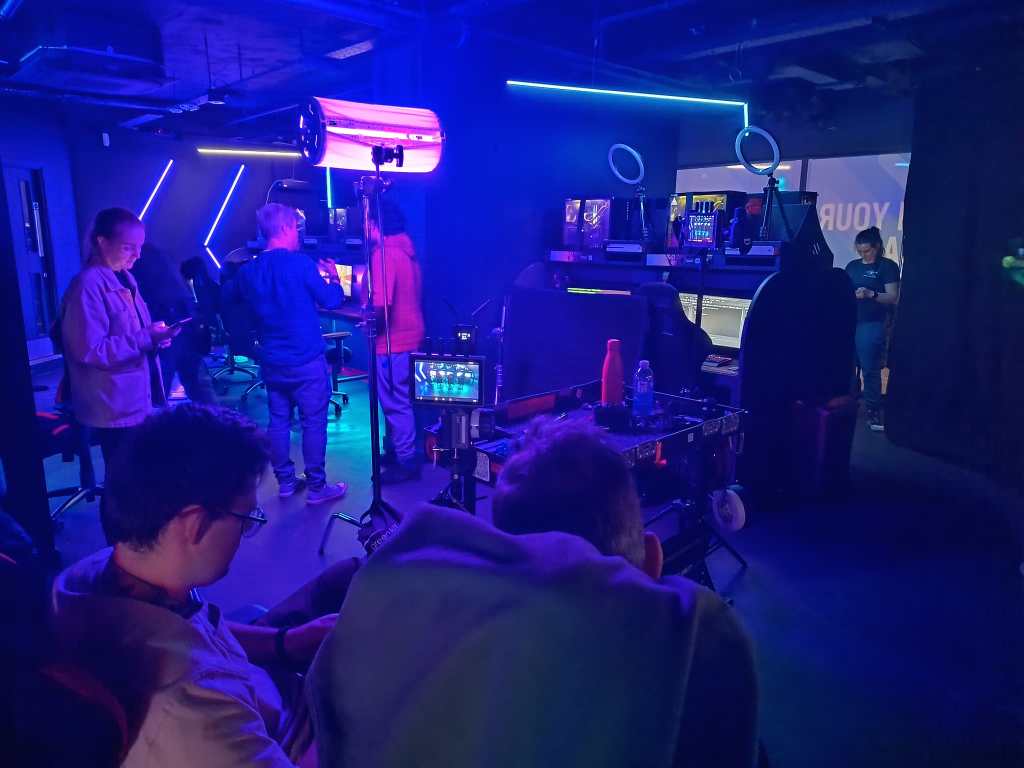
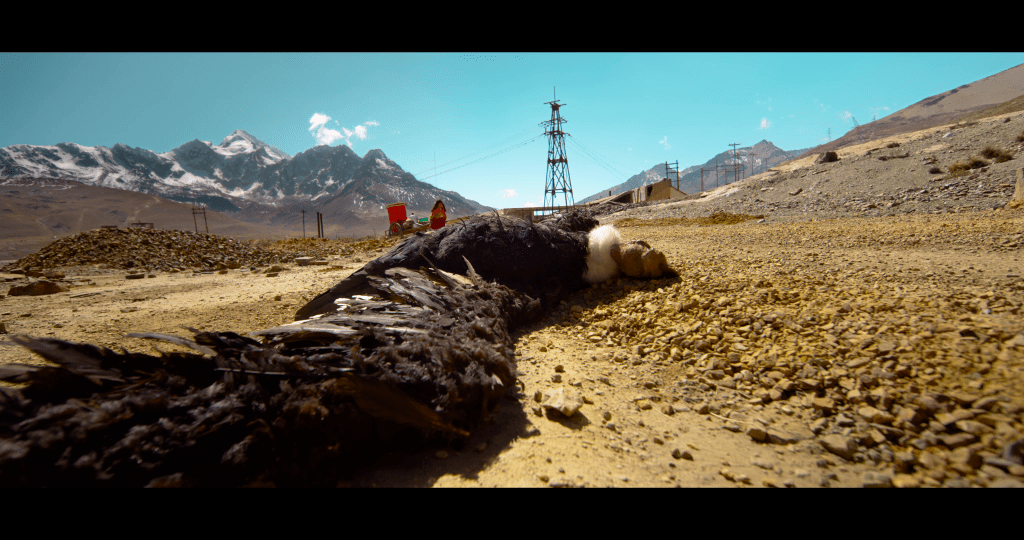
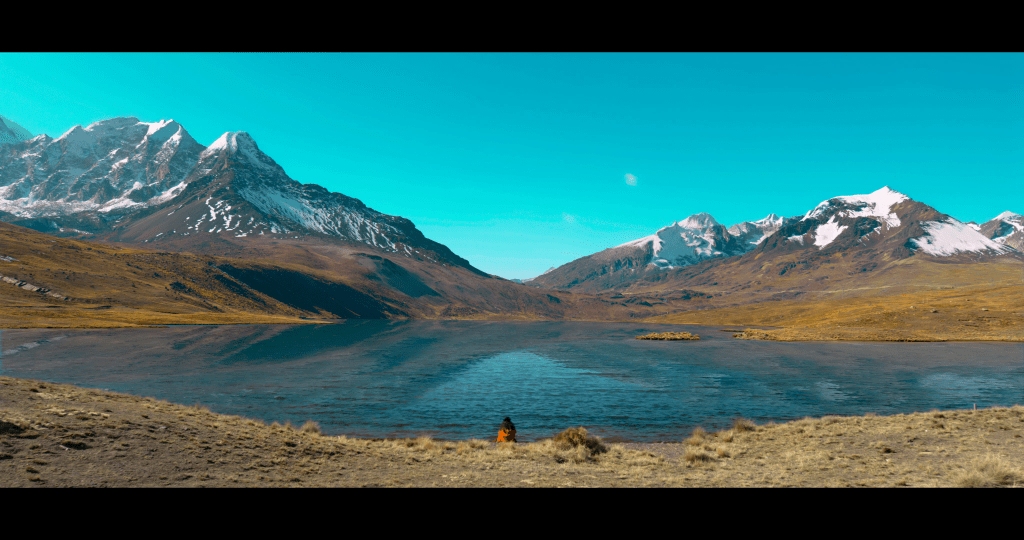
I’m going to talk about two projects that have had very distinct discussions on scale. This blog will focus on the games expo promo and I will write another blog focusing on an indie feature shot in Bolivia called Cielo. Cielo (director Alberto Sciamma) is very much a cinema film and so the discussion around scale was very closely linked to the narrative, rather than the form of presentation. Just as a taster here are some framegrabs.
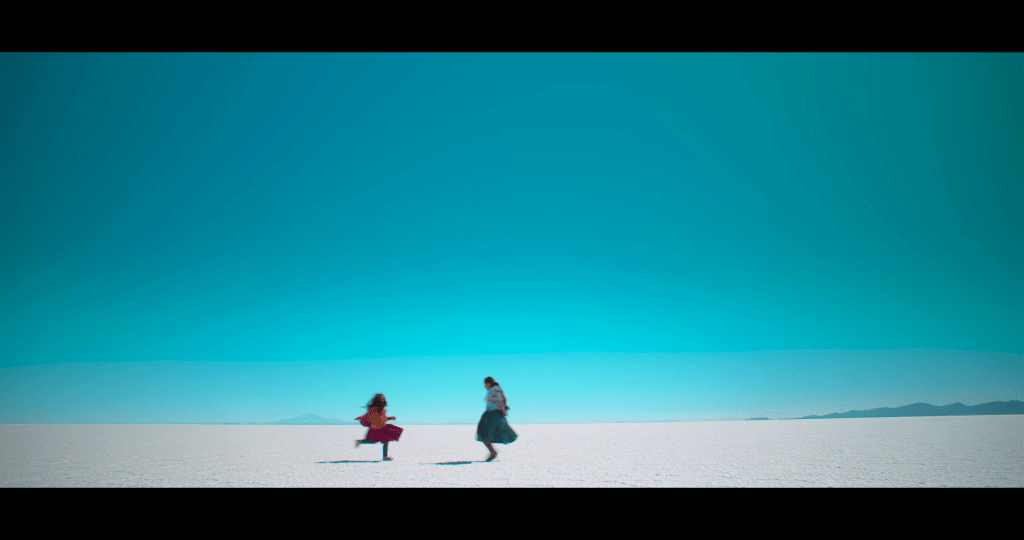
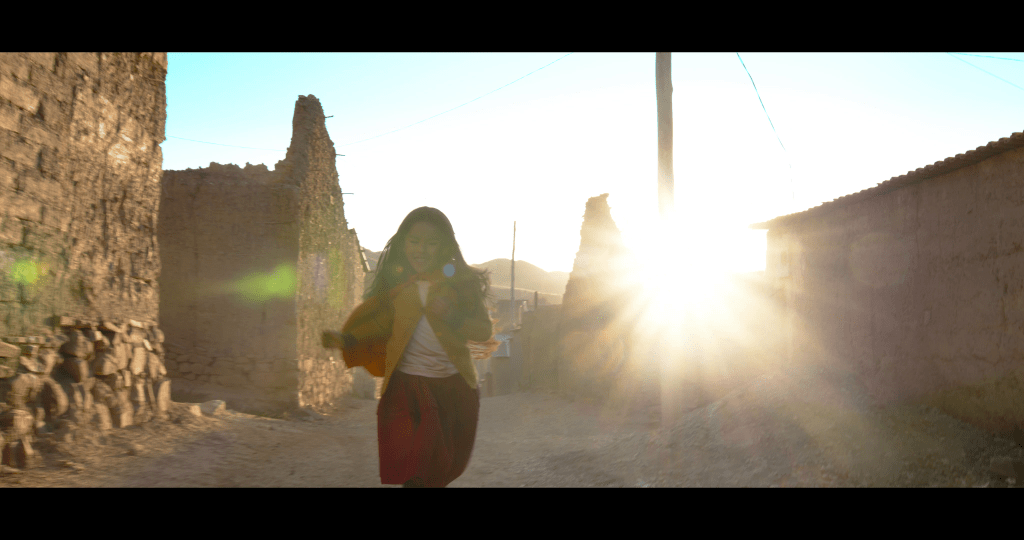
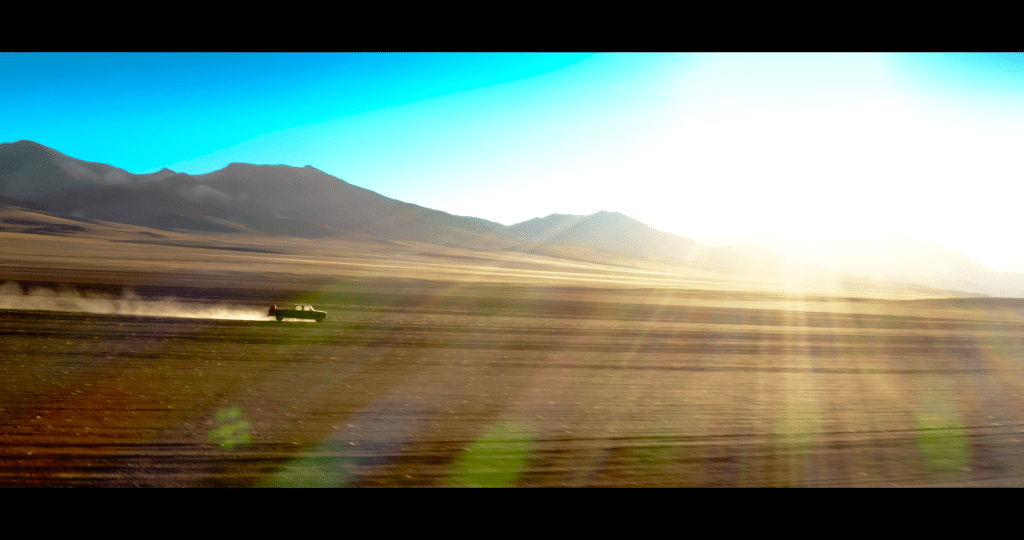
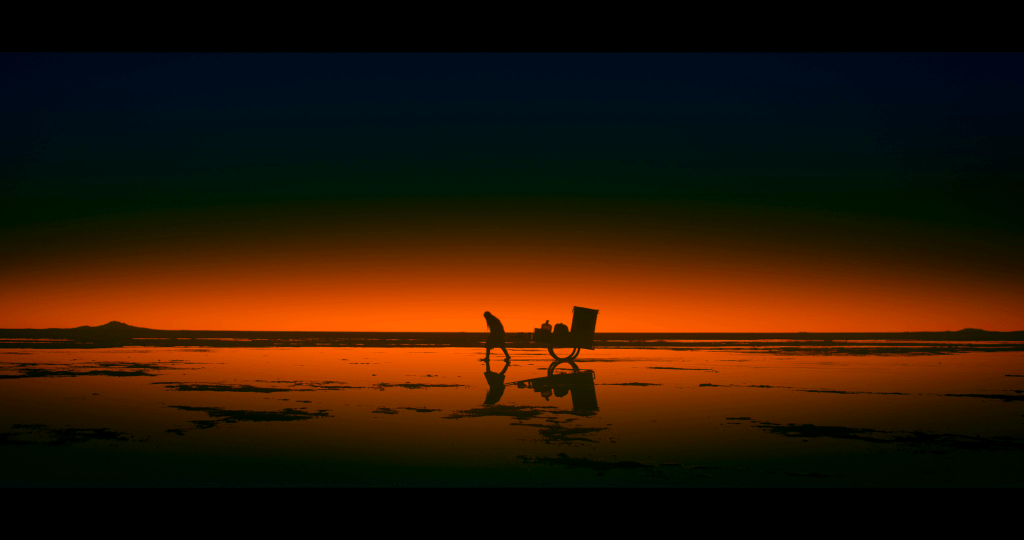
The Expo promo came to us through the agency FGreat, headed by Conrado Galves. I’ve been lucky enough to work with them on many projects and it’s always a pleasure as their quality-filter is so high. Here is the finished promo
Nic Cornwall from Little Big Fish Films, a long-time friend and collaborator, directed and produced the UK side of things.
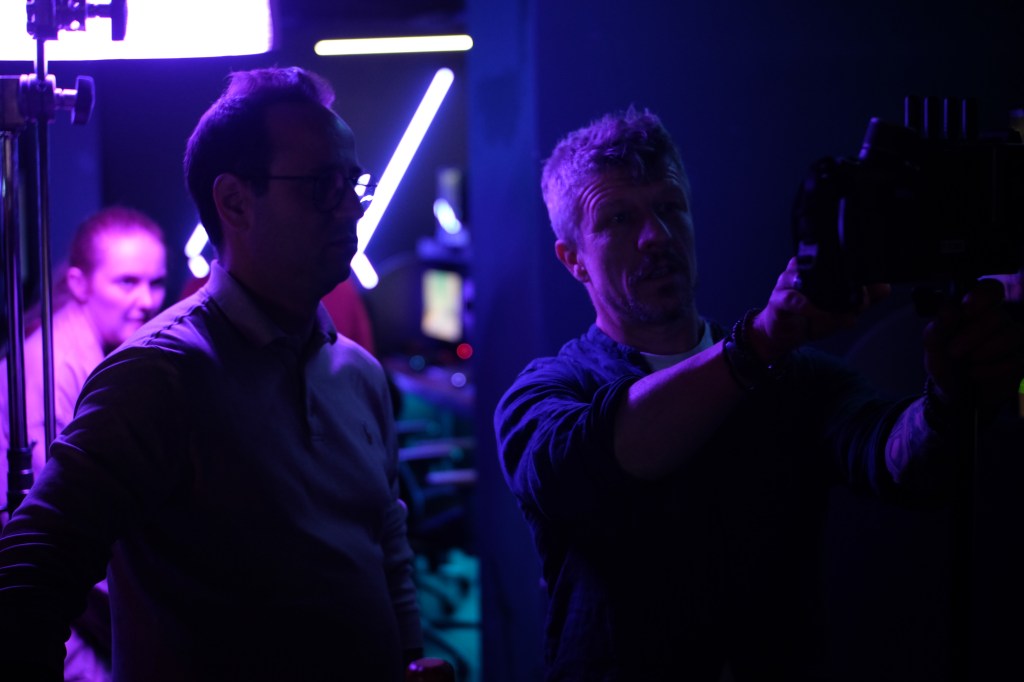

The brief was to shoot the live action scenes to bridge the gaming footage that formed the centre of the promo. Delivery was 4K with aspect ratios of 16:9 and 9:16. Primary viewing platform was smartphone, followed by larger screen devices but the client also wanted the promo to feel cinematic when projected on a cinema screen. Historically you would shoot everything for the projected distribution and accept that some people would choose to watch it on a smaller screen but that is no longer the case as viewing patterns have shifted so much now.
In an ideal world you would shoot each shot 3 times to suit the virtues of each format but that is a difficult argument to win with tight budgets. We had 9 shots to do in the day, with some of the shots requiring multiple passes against green for compositing in post, so doing all that 3 times was definitely not going to fly!
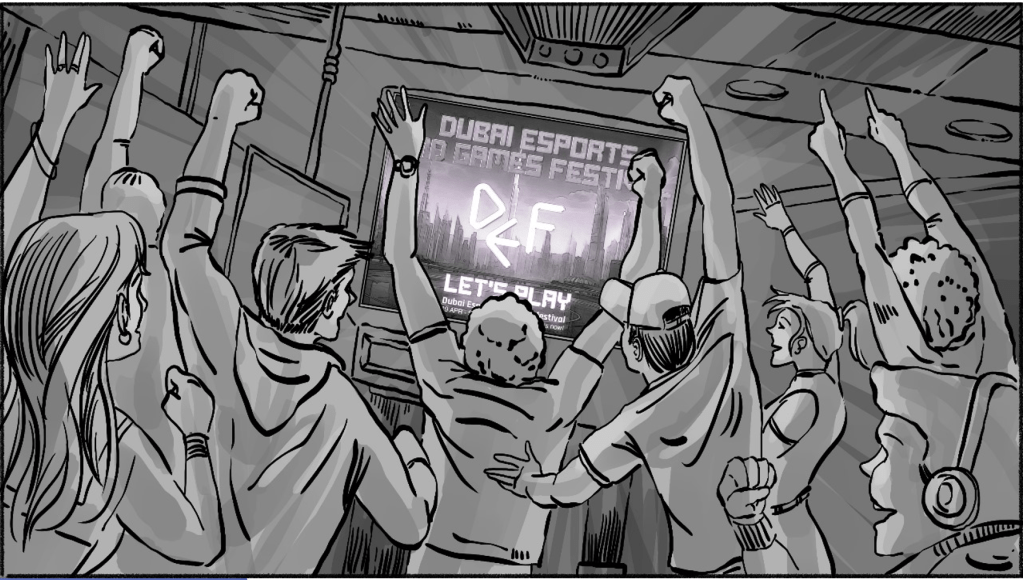
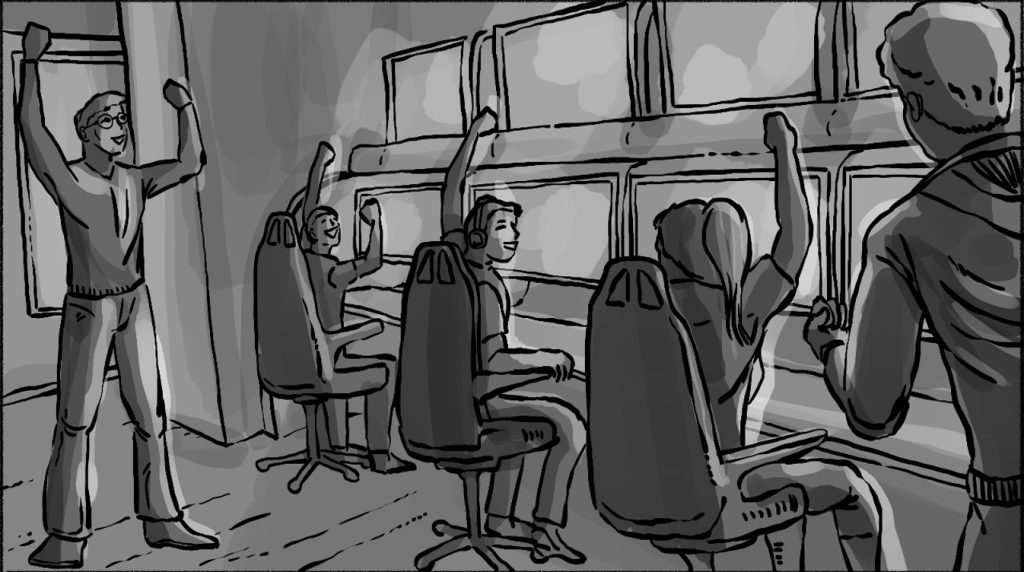
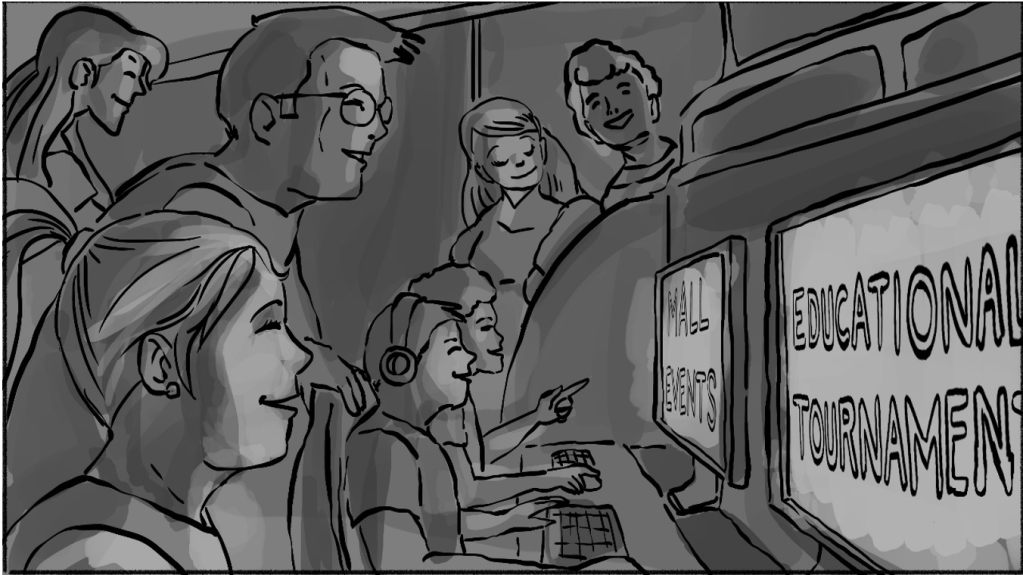
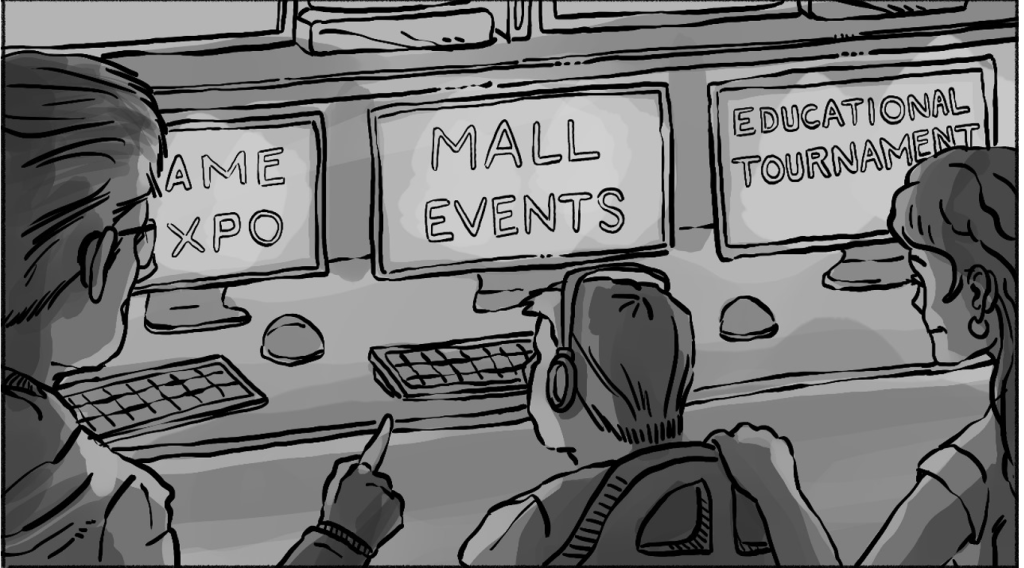
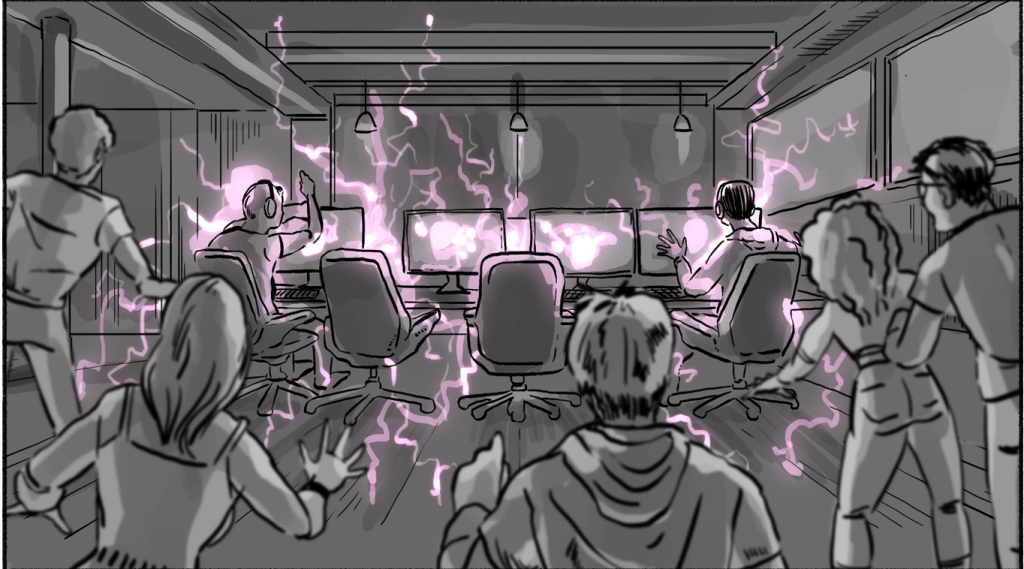
We broke the storyboard down working out shots that we could use the digital latitude, we were shooting 6K for delivery on 4K so had some wiggle room to reframe. Some shots had required information with-in them and these we shot twice, once for 9:16 and once for 16:9. This was 4 shots but none of them had any greenscreen elements so was just about manageable. The key difference in shot size between the 16:9 version for the phone and the 16:9 version for projection was how tight we were on the cast. We had a great location and wanted to see it on screen but if we were wide enough to enjoy the location then we started losing the cast performances when seen on a small screen. Only being able to shoot these shots once meant we framed more for the projected frame, so wide enough to see the locations, knowing that the post team could push in digitally to highlight the performances if needed for the small screen version.
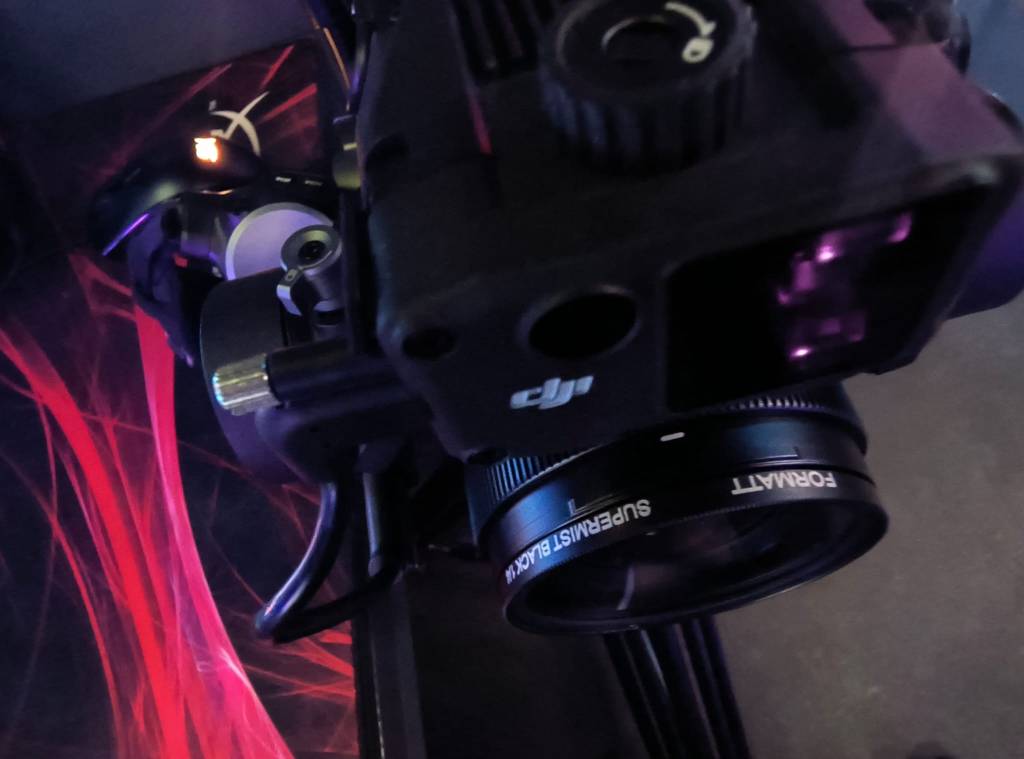
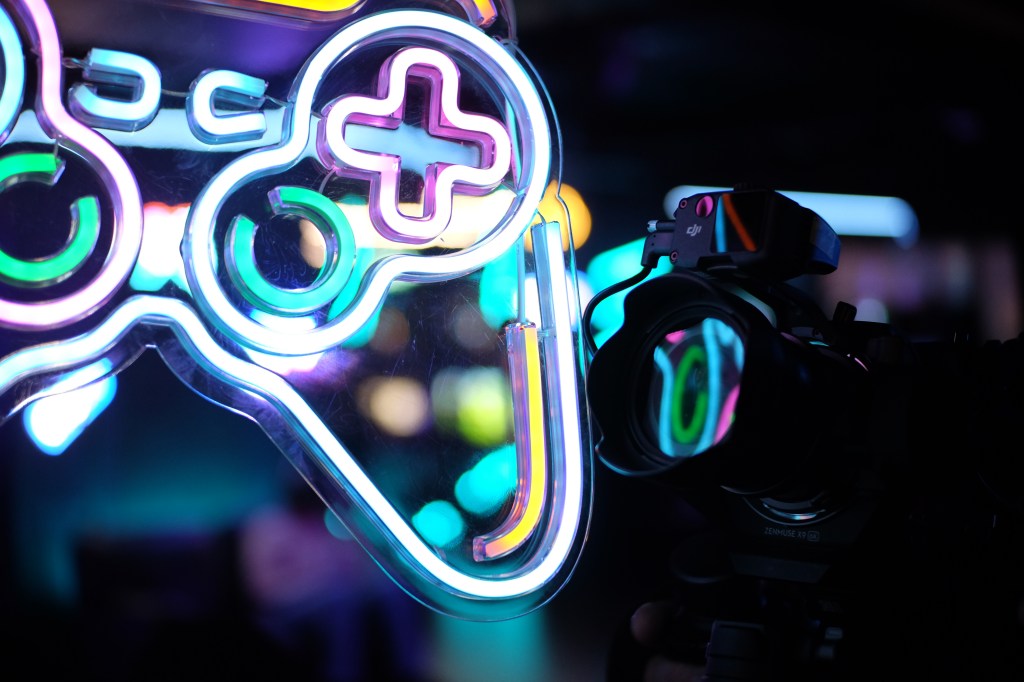
We did know that time would be against us if we wanted to complete all the elements in a day, we also knew that we wanted the visual energy of moving camera and that the post team needed 4:4:4:4 rushes for all the graphics work. There was no time to lay tracks, no space for Steadicam and so we decided on the Ronin 4d – supplied by the lovely Pete Rowe. It’s a full frame camera which helps the focus drop off, edging us towards the cinematic feel the client wanted. We aimed to make the location feel dark but saturated with colour – I know, surely those two aspirations are mutually exclusive? The location was already painted black so we added a lot of Astera tubes and a couple of covered wagons. Paul Choy, our gaffer, and his team did a fantastic job of sprinkling colour throughout and we wet down the floor to bring out the reflections.
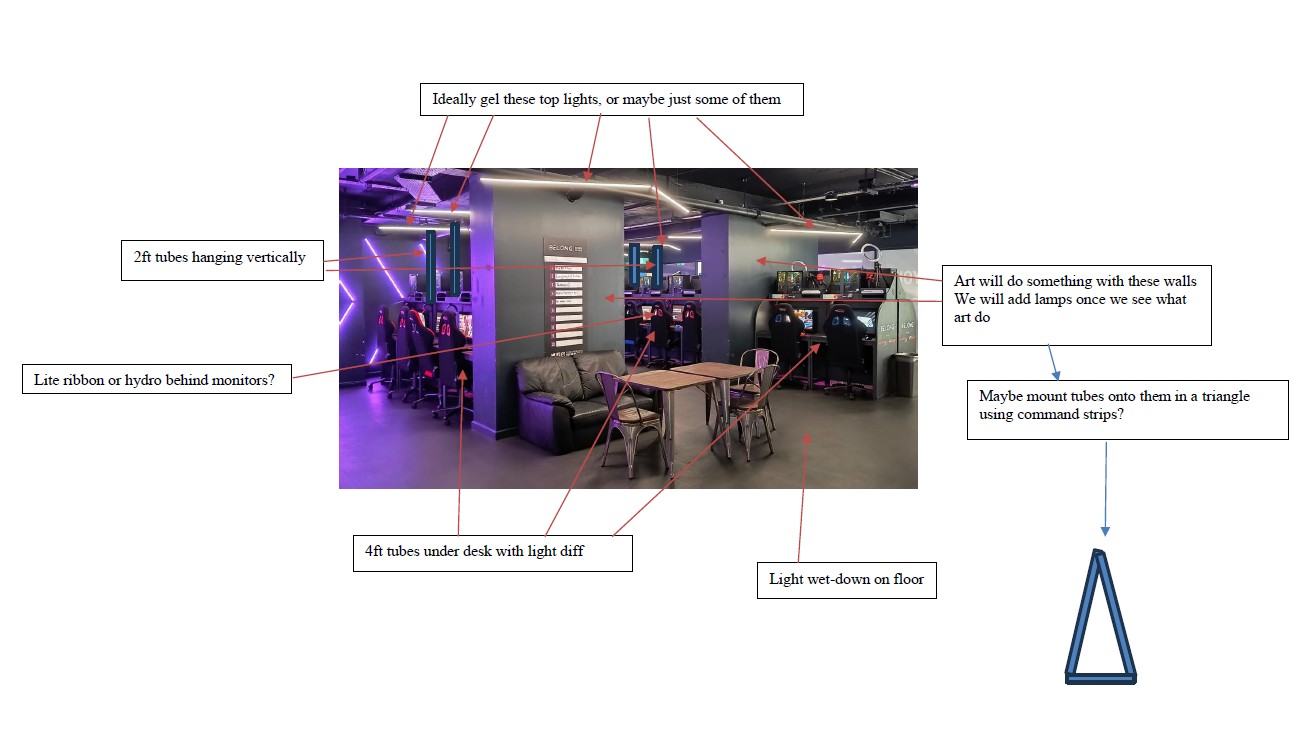
As we had so many practical lamps in shot I wanted to give them a slight softness – it had to feel like a welcoming space which blooming the tubes a little helped to achieve. Formatt Hitech came to our rescue again rushing some circular filters to us in 1/8 and ¼ black supermist. We needed the circulars as the Ronin4d can’t take a matte box.
It all worked a treat and client was very happy with the overall feel. Thanks as always goes to my entire team, Zach Levi-Rodgers, George Bloomfield, Paul Choy, Jenny Dyson and Richard Scott.


 alexander metcalfe